Encouraging Emotional Boundaries: Helping Kids Manage Feelings
3 March 2026
Parenting isn’t for the weak, and let’s be real—raising emotionally intelligent kids? That’s PhD-level parenting. If you’ve found yourself drowning in a tidal wave of your child’s emotions (and maybe your own), you’re not alone. Teaching kids to manage their feelings and set emotional boundaries is tricky, but oh-so-important. Let’s break it down, sass and all, because we’re in this chaotic parenting gig together. 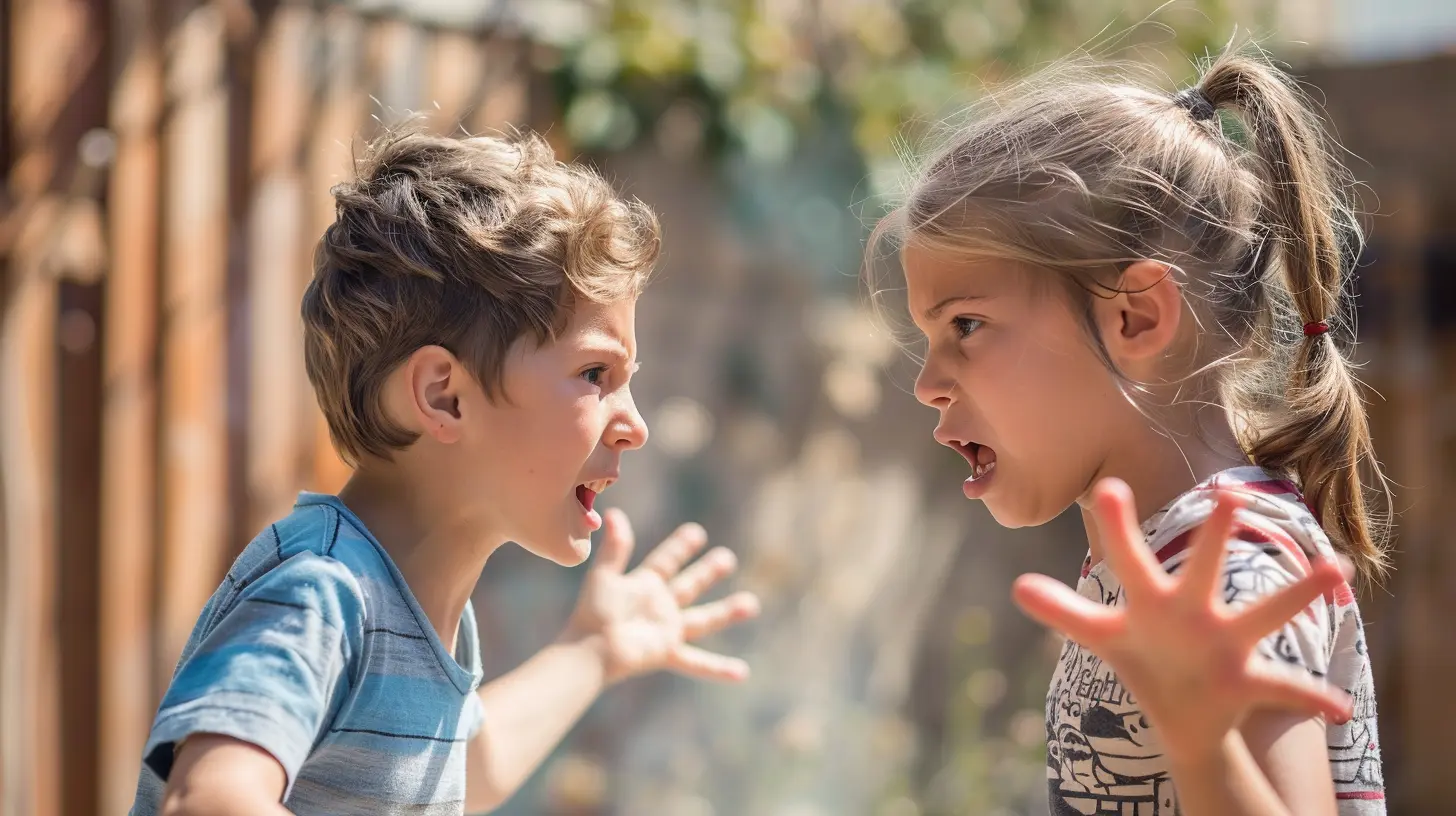
🤯 Why Emotional Boundaries Matter
Ever had a toddler scream in your face because you cut their sandwich the wrong way? Or a teenager explode over Wi-Fi issues like it’s the end of the world? Yeah, emotions are BIG in kids, and if they don’t learn to manage them early, they turn into adults who still throw tantrums—just in more socially acceptable ways (passive-aggressive emails, anyone?).Emotional boundaries help kids:
✅ Understand their feelings without being swallowed by them
✅ Express emotions without dumping them on others
✅ Respect other people’s feelings (a.k.a. not being an emotional tornado)
✅ Develop resilience and self-regulation
Basically, teaching boundaries isn’t just about keeping your sanity—it’s about shaping decent human beings. 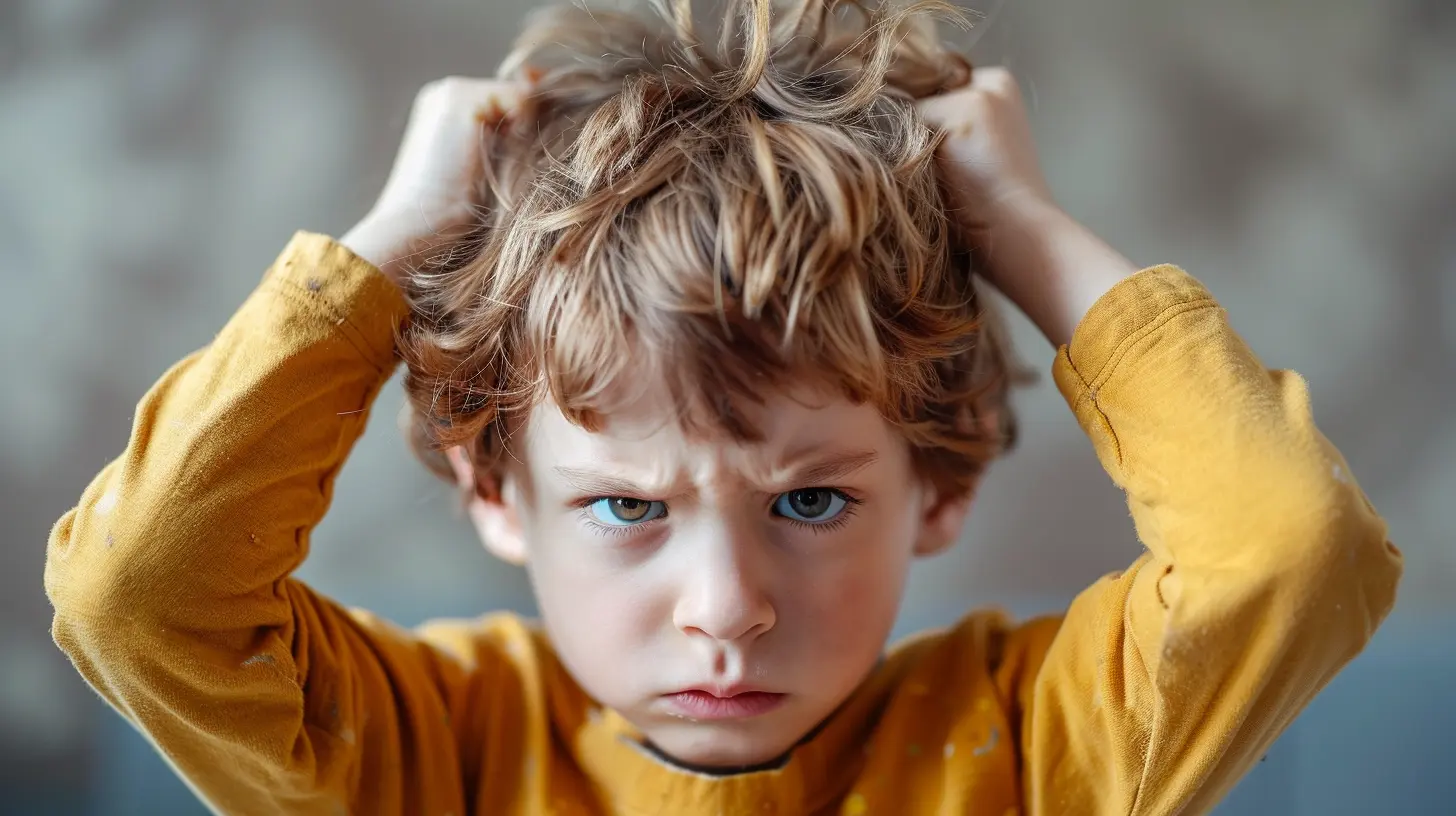
🧠 Teaching Kids That Feelings Are Okay—But Not Bosses
First things first: Feelings aren’t the enemy. It’s what we do with them that counts. Kids need to know that feeling sad, angry, or frustrated is NORMAL—but throwing a fit in the cereal aisle because they can’t have sugary junk? Not cool.💬 Normalize All Emotions
Shutting kids down with “Stop crying” or “You’re overreacting” teaches them to ignore their emotions. Instead, try:🚀 “I can see you’re really upset right now. Want to talk about it?”
🚀 “It’s okay to feel angry, but let’s find a way to handle it without yelling.”
🚀 “Your feelings are real, and I’m here to help.”
When kids know their emotions are valid, they’re more likely to learn how to handle them instead of suppressing them like a shaken soda bottle ready to explode.
⏸ Pause Before Reacting
Big emotions hit like a freight train. Teaching kids to pause before reacting is GOLD. Try this:🛑 “Before you yell, take a deep breath.”
🛑 “Count to five before saying something you’ll regret.”
🛑 “Let’s take a break and come back to this.”
This shows them that emotions don’t have to control them like a bad reality TV show. 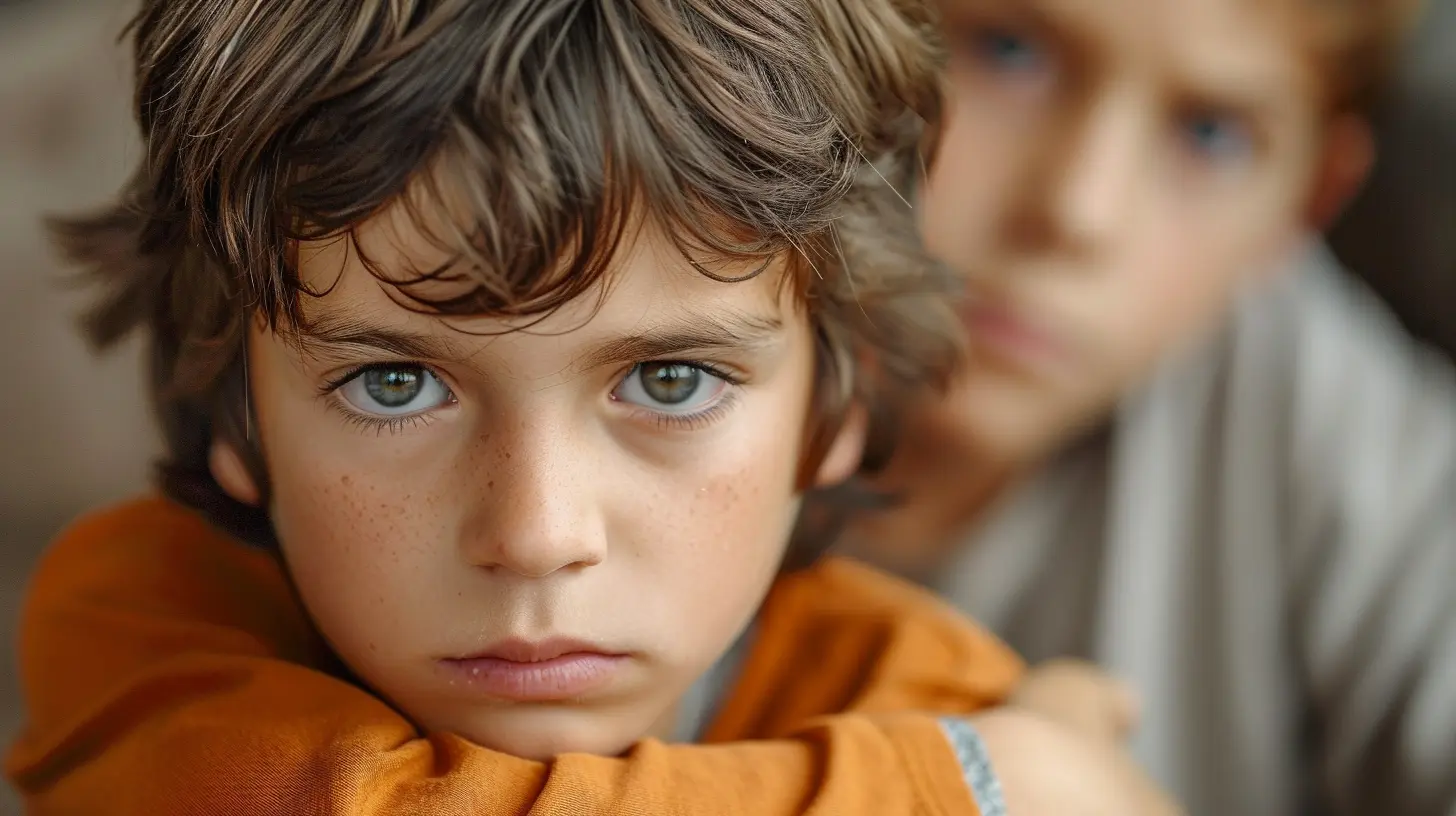
🔥 Setting Healthy Emotional Boundaries
Teaching kids emotional boundaries is like giving them an emotional survival kit. They need tools to navigate their feelings and respect others without becoming emotional doormats or drama queens.🛑 Teach “My Feelings, My Responsibility”
Nobody—and I mean NOBODY—is responsible for managing someone else’s emotions. When kids blame others for how they feel (cue: “You MADE me mad!”), remind them:⚡ “Your feelings are yours. Someone may trigger them, but how you handle them is your choice.”
⚡ “You get to decide how to respond. No one controls your emotions but you.”
This helps them stop playing the blame game and start owning their feelings like tiny emotional bosses.
🚧 Create Personal Emotional Space
Kids need to know it’s okay to take space when they’re overwhelmed. Encourage them to:🏡 Have a quiet spot when they need to calm down
📝 Write or draw their feelings before reacting
🗣 Use statements like “I need a break” instead of lashing out
For younger ones, a cozy corner with soft pillows can work wonders. For older kids, giving them permission to step away from an argument teaches emotional maturity. 
🙅♀️ Teaching Kids to Set Boundaries With Others
Ever met a kid who lets their friend steamroll them? Or one who bulldozes everyone else's feelings? Boundaries work both ways—teaching kids to respect AND set them is key.⚡ Saying “No” Without Feeling Guilty
People-pleasing starts young, and unless you want your kid growing up saying “yes” to everything just to avoid conflict, teach them the power of NO.💥 “It’s okay to say no if you don’t want to share your toy.”
💥 “If someone is making you uncomfortable, you can walk away.”
💥 “You don’t have to hug someone if you don’t want to.”
A kid who knows their boundaries grows up into an adult who doesn’t get steamrolled in relationships, work, or life.
👂 Teaching Empathy Without Becoming an Emotional Dumping Ground
There’s a fine line between being kind and being a sponge for everyone else’s emotions. Help kids balance empathy by teaching them:✅ “It’s kind to listen, but you don’t have to take on someone else’s feelings.”
✅ “You can support a friend without solving their problem for them.”
✅ “If someone’s emotions are overwhelming, it’s okay to step back.”
Because let’s be real—we’ve all had that one friend who drains the life out of us with constant drama. Your kid doesn’t need to be that friend (or be at the mercy of one).
💡 Role-Modeling Emotional Boundaries (Because Kids Copy Everything)
You can preach emotional boundaries all day long, but if YOU’RE the one snapping over spilled milk or burying emotions like a secret treasure chest, guess what? Your kids will copy that.Try these rock-solid ways to model emotional intelligence:
🧘 “I’m feeling overwhelmed, so I’m going to take five minutes to breathe.”
🎭 “I had a rough day, but I’m going to handle it calmly instead of lashing out.”
🚫 “I can’t take on that extra task right now. I need to set a boundary.”
When kids see you handling emotions like a boss, they’ll start doing the same.
🏆 Practical Exercises to Strengthen Emotional Boundaries
Enough talk. Let’s get into some hands-on activities that actually make emotional boundaries a habit.🎭 Emotion Thermometer
Have kids rate their emotions from 1 to 10 when they’re upset. This helps them identify if they’re at a “mild annoyance” level or full-blown “volcano explosion.”📝 Feelings Journal
Encourage kids to write or draw about their feelings. This gives them an outlet for emotions instead of bottling them up or dumping them on others.🎤 Role-Playing
Practice boundary-setting with playful scenarios:👦 “What would you say if a friend is pressuring you to do something uncomfortable?”
👧 “How would you tell someone you need space without hurting their feelings?”
Getting kids comfortable with boundary talk makes it second nature.
🚀 The Bottom Line: Emotional Boundaries Are a Superpower
Helping kids manage their feelings and set emotional boundaries isn’t just a nice parenting flex—it’s essential life armor. They’ll be stronger, kinder, and way less likely to end up in toxic relationships or explosive meltdowns over literally nothing.So, the next time your kid is throwing emotional fireworks, take a deep breath, channel your inner parenting guru, and remember: You’re not just surviving the chaos—you’re raising emotionally strong humans. And THAT is some superhero-level stuff.
all images in this post were generated using AI tools
Category:
Parenting BoundariesAuthor:

Noah Sawyer
Discussion
rate this article
2 comments
Renata McFadden
Emotional boundaries? Kids need them! Teach them to say 'no' to feelings they don’t want—self-care starts young!
March 6, 2026 at 3:51 PM
Noah Sawyer
Absolutely! Teaching kids to recognize and communicate their feelings is crucial for their emotional health. Early self-care lays a strong foundation for their future.
Maxwell Hernandez
This article beautifully highlights the importance of teaching kids emotional boundaries. By fostering awareness and communication, parents can empower their children to navigate feelings confidently and healthily. Great read!
March 3, 2026 at 3:54 AM
Noah Sawyer
Thank you for your kind words! I'm glad you found the article valuable in promoting emotional awareness in children.