Creating a Safe Sleep Environment for Your Newborn
8 February 2026
Bringing home a newborn is nothing short of life-changing. Between late-night feedings, diaper changes, and just staring at your little human in awe—it’s a whirlwind. But one thing that should never be left to guesswork is your baby's sleep safety. As dreamy (and exhausting) those first few months can be, creating a safe sleep environment is an absolute must. It’s not just about comfort—it’s about life and death.
Let’s break everything down, real-talk style, so you know exactly what to do (and what not to do) when it comes to your newborn’s sleep setup.
Why Safe Sleep Matters More Than You Think
Let’s talk facts—Sudden Infant Death Syndrome (SIDS) is real. It’s scary, and unfortunately, it affects thousands of families every year. But here’s the thing: many cases are preventable. Yup, you have more control than you think.Creating a safe sleep environment significantly reduces the risk of SIDS, suffocation, and accidents. You're not just setting up a cute nursery—you're building a protective bubble for your baby to rest peacefully and safely.
The Gold Standard: Back to Sleep, Every Time
There’s no debate here. Put your newborn to sleep on their back for all naps and nighttime sleep. Not on their side. Not on their tummy. On. Their. Back.Why? Because when babies sleep on their stomach, they can breathe in their own carbon dioxide or get their faces stuck in soft bedding. Sleeping on their back keeps their airway open and safe.
Yes, you’ll hear people say, “Well, I slept on my stomach and I’m fine.” Cool. But we know better now, and we do better now.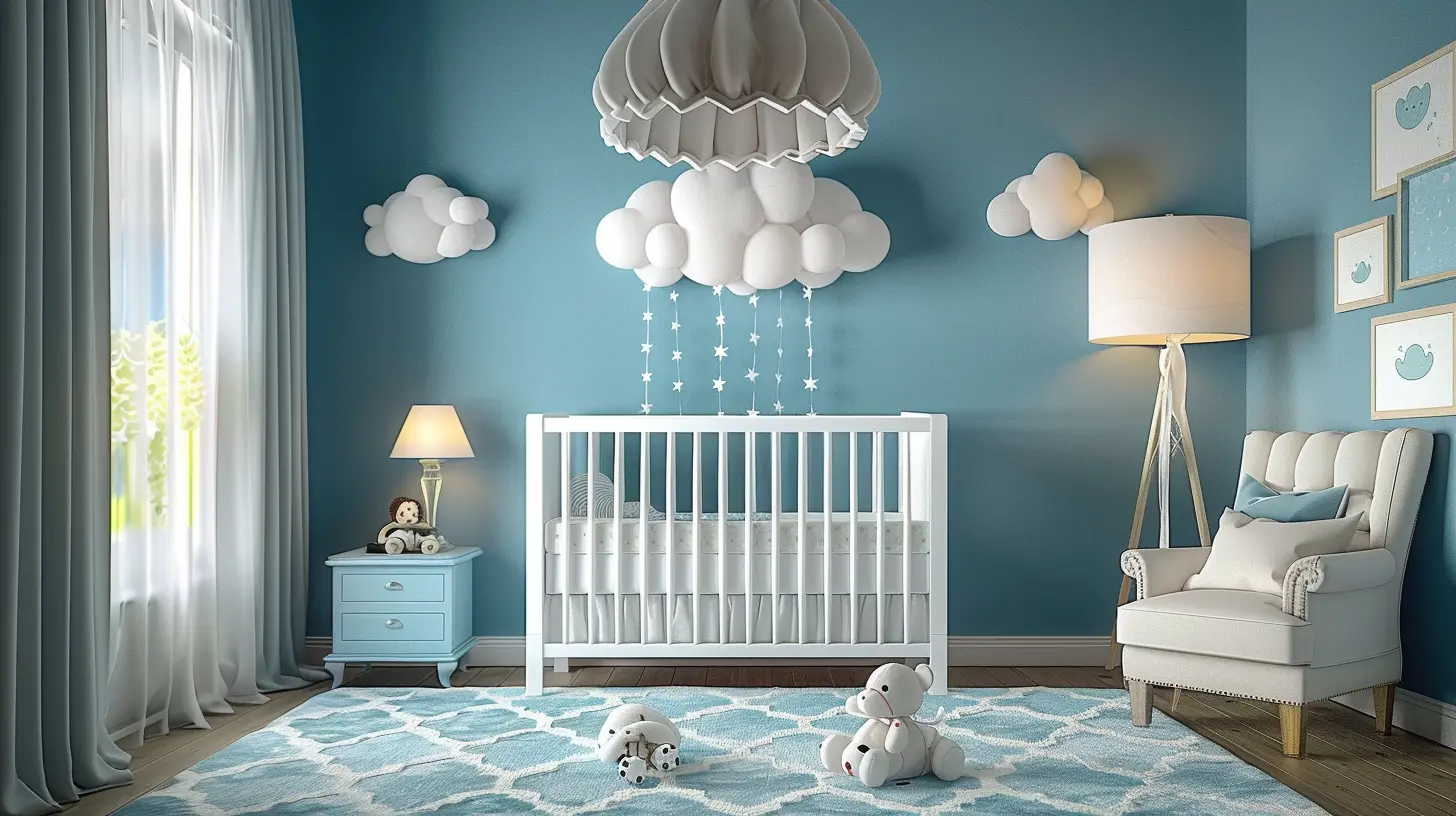
The Crib Setup: Bare Is Best
If you’ve been drooling over Pinterest-worthy cribs with pillows, stuffed animals, and fluffy quilts—stop right there. Those beautiful setups? They’re actually sleep hazards.Here’s the no-nonsense crib checklist:
- Firm mattress: No sagging, no soft spots. If it feels comfy to you, it’s probably too soft for your baby.
- Fitted sheet only: Make sure it’s snug and specifically designed for crib use.
- No bumpers, blankets, or toys: They may look cute, but they’re dangerous. Babies can roll into them, get tangled, or suffocate.
I know. It feels weird putting your baby to bed in such a sterile setup. But trust me—bare is best, and safety beats style every time.
Room-Sharing Is In, Bed-Sharing Is Out
Let’s be real—when you’re zombie-tired, it’s super tempting to let your baby snuggle in bed with you. You’re half-awake, nursing or rocking, and before you know it, you both doze off in bed. Been there? We’ve all been there.But here’s the truth: bed-sharing increases the risk of suffocation. Parents can roll over. Pillows can smother. It only takes a second.
The safer (and still close) option? Room-sharing.
Set up your baby’s crib or bassinet next to your bed for easier access during those wake-up calls. You’ll get the closeness without the risk.
The Right Sleep Surface: It's Not Optional
Babies need to sleep on a firm, flat surface—always. Sofas, cushy beds, pillows, and even inclined sleepers are a no-go.You know those rockers or baby loungers that calm your little one like magic? Amazing for supervised awake time. Not for sleep.
Inclined positions can cause your baby’s head to flop forward, blocking the airway. Flat and firm is what you want. Always.
Swaddling: A Comforting Touch (But Beware)
Swaddling can be pure magic for helping babies feel cozy and secure. But it’s gotta be done right.What you need to know:
- Swaddle snugly—but not too tight. Make sure there’s room for the hips to move.
- Skip the swaddle when baby can roll: Usually around 2 months, it’s time to ditch the swaddle to avoid roll-over risks.
- Use breathable fabric: Overheating is another SIDS risk factor, so keep it light.
Oh, and don’t swaddle with arms inside if your baby hates it. Some babies prefer free arms so they can self-soothe.
Keep It Cool: Room Temperature Matters
Your baby isn’t a lizard who thrives under a heat lamp. In fact, overheating is a major (but often overlooked) risk factor for sleep-related deaths.Ideal room temperature? Somewhere between 68–72°F (20–22°C). If you’re sweating in the room, your baby probably is too.
Dress your newborn in one light layer—like a cotton onesie—and skip the heavy blankets. A sleep sack or wearable blanket is a safe, snuggly alternative.
Rule of thumb: Dress baby in one more layer than you're wearing. If you're in a T-shirt, go with a onesie and sleep sack for baby.
Say Nope to Second-Hand Sleep Gear
If it’s tempting to use the older crib stored in grandma’s attic—stop. Sleep standards and safety guidelines have come a long way, and that charming vintage crib may come with hidden dangers.Check for:
- Slats that are too far apart (should be no more than 2 3/8 inches apart).
- Drop-side mechanisms (these are banned for a reason).
- Chipped paint that could be lead-based.
- Missing screws or wobbly corners.
Yes, baby gear is expensive. But when it comes to sleep safety, shortcuts can cost more than money.
Pacifiers: Not Just for Soothing
Here’s a fun fact you might not know: using a pacifier at nap time and bedtime can actually reduce the risk of SIDS.Wild, right?
The exact reason isn’t crystal clear, but researchers think pacifiers help keep the airway open or prevent babies from falling into deep (harder to wake from) sleep.
A few quick tips:
- Introduce the pacifier after breastfeeding is well established (usually after the first month).
- Don’t force it. If your baby spits it out, no need to pop it back in.
- No pacifier clips or strings during sleep—those can be strangulation risks.
Monitor? Yes. But Don’t Rely on It Alone
All those smart monitors and high-tech gadgets are cool—some even track breathing or movements. But here’s the thing: they’re not a substitute for a safe sleep setup.They can add peace of mind, sure. But don’t let the technology lull you into skipping the basics. Your baby still needs to sleep on their back, on a firm mattress, in an empty crib. No exceptions.
Trust the setup, not the screen.
Establish a Sleep-Friendly Routine
Okay, so this one isn’t strictly about “safety,” but it’ll save your sanity.Creating a consistent sleep routine helps your baby know it’s time to wind down—and boosts the chances of longer, safer sleep stretches.
Try a simple flow:
1. Warm bath
2. Diaper and PJs
3. Feeding
4. Gentle rocking or lullaby
5. Lay baby down drowsy, but still awake
Why drowsy but awake? It helps baby learn to fall asleep on their own—without needing a bouncing, swaying, singing parent every time they wake up (which will be often).
Traveling? Don’t Ditch the Rules
Traveling with a newborn is like moving a circus—with less glitter and more diapers. It’s tempting to cut corners, especially when you’re staying at grandma’s or crashing somewhere overnight.But the rules still apply.
Bring a travel crib or portable bassinet and stick to the safe sleep basics. It might take more planning (and more trunk space), but your baby's safety goes wherever you go.
Trust Your Gut, But Back It Up With Facts
You’ll get so much advice from well-meaning friends, relatives, and even strangers at the grocery store. Some of it will be helpful. A lot won’t.You’ll hear:
- “We used to put rice cereal in bottles, and look—he turned out fine!”
- “My baby only slept on their tummy, and they were great.”
Smile, nod, and then follow the research. Parenting has evolved, and so has what we know about keeping our babies safe.
Your gut tells you to protect your baby. Back it up with evidence, and you’ll be golden.
Recap: Safe Sleep Essentials at a Glance
Here’s your no-fluff, quick-reference checklist:✅ Baby sleeps on back
✅ Firm, flat sleep surface
✅ No pillows, toys, or loose blankets
✅ Room-share (but not bed-share)
✅ Keep room cool (68–72°F)
✅ Use sleep sacks, not loose blankets
✅ Swaddle safely, and stop when baby starts rolling
✅ Avoid second-hand cribs unless verified safe
✅ Offer a pacifier at naps and bedtime
✅ Use monitors for peace of mind, not as a crutch
✅ Stick to the rules—even when traveling
Closing Thoughts
Look, parenting is full of gray areas and judgment calls, but safe sleep? That’s one of the few non-negotiables. It’s not about being paranoid—it’s about being prepared.You can’t control everything, but you can control where and how your baby sleeps. It's one of the most loving things you’ll do in those early days.
So keep that crib bare, that baby on their back, and your mind at ease. You’ve got this.
all images in this post were generated using AI tools
Category:
Newborn CareAuthor:

Noah Sawyer
Discussion
rate this article
2 comments
Inez Sheppard
This article highlights essential safety measures for newborn sleep. Emphasizing proper crib setup and safe sleep practices not only protects infants but also promotes parental peace of mind.
February 13, 2026 at 5:10 AM
Noah Sawyer
Thank you! Ensuring a safe sleep environment is crucial for both infants and parents, and I'm glad you found the article helpful.
Joel McGrady
In the quiet hours when dreams intertwine with reality, the cradle holds secrets untold. What lurks in the shadows of a sleep environment? Unseen forces can shape your newborn's slumber. Delve into the art of creating a haven where safety meets serenity, and unlock the mysteries of peaceful nights.
February 11, 2026 at 5:12 AM
Noah Sawyer
Thank you for your poetic insight! Crafting a safe and serene sleep environment is essential for nurturing our newborns and ensuring peaceful nights.