Choosing the Right Baby Bottles for Breastfed or Formula-Fed Babies
10 July 2026
If you're a new parent — or about to become one — you’ve probably already walked down the baby bottle aisle and thought, “Wait, why are there so many kinds of bottles?!”
Don’t worry… you’re not alone. Whether you're breastfeeding, formula-feeding, or doing a little bit of both, choosing the right baby bottle can feel like solving a baby-sized Rubik’s Cube. But hey, we're going to untangle that mess together.
In this post, we're going to break it all down, piece by piece. We'll cover the different types of bottles, what works best for breastfed babies, what’s better for formula-feeders, and how to avoid the common pitfalls new parents face when choosing bottles.
Ready? Let's dive into bottle basics without the overwhelm.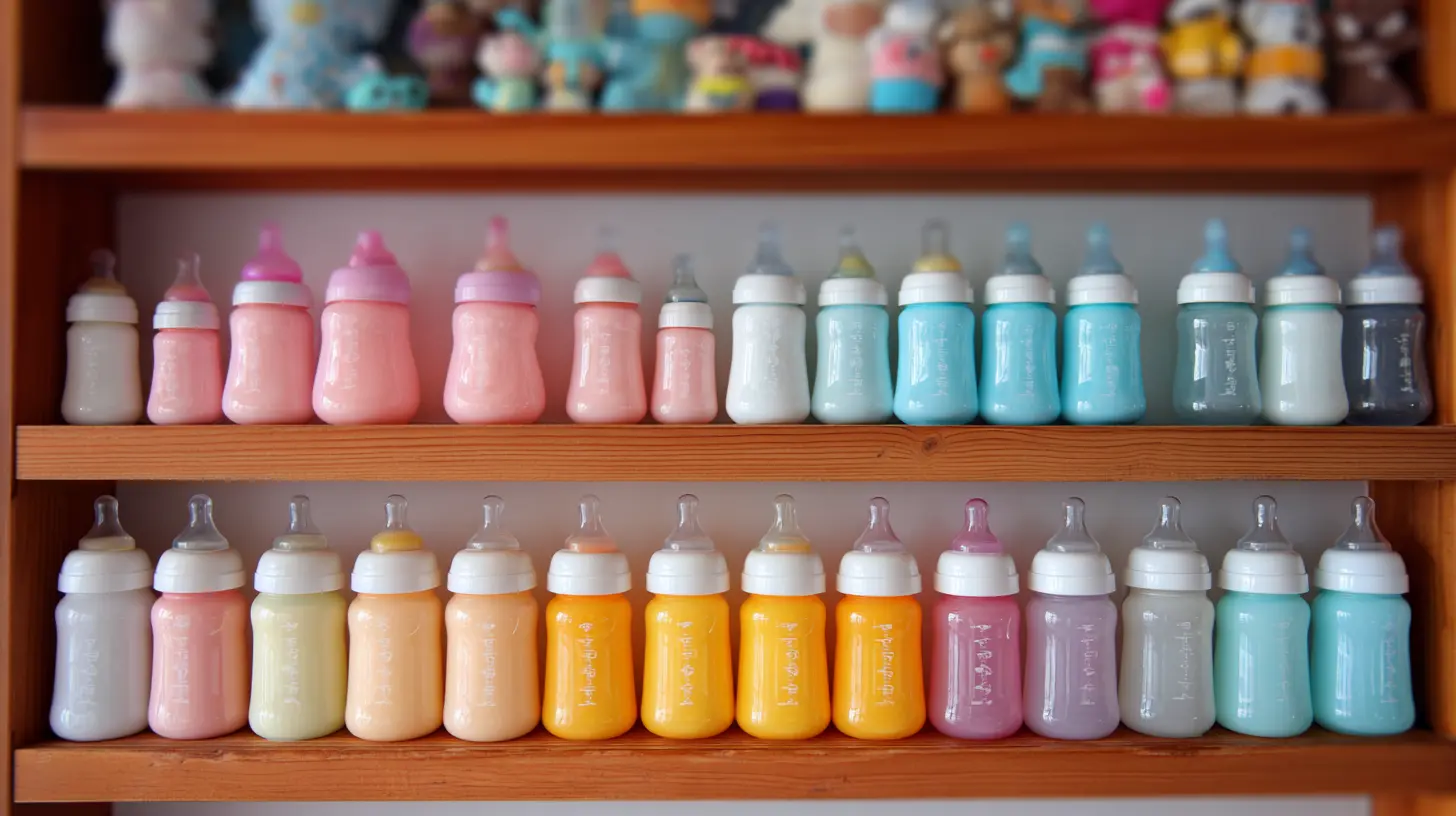
Why Baby Bottle Choice Actually Matters
At first glance, you might think, “It’s just a bottle, right?” Not exactly. Choosing the right baby bottle can make your life a lot easier. The wrong one? It might lead to gas, colic, bottle rejection, nipple confusion, and a very fussy baby (cue the sleep-deprived crying — and not just from baby).Here’s why bottle selection deserves your attention:
- Feeding comfort: The right shape and flow can help your baby feed more naturally and comfortably.
- Digestion-friendly: Some bottles reduce air intake, helping prevent gas and spit-up.
- Latch consistency: For breastfed babies, a bottle that mimics the breast can avoid confusion.
- Convenience: Easier to clean, assemble, and feed with = fewer headaches.
So yeah, it matters more than you’d think for your baby’s well-being and your sanity.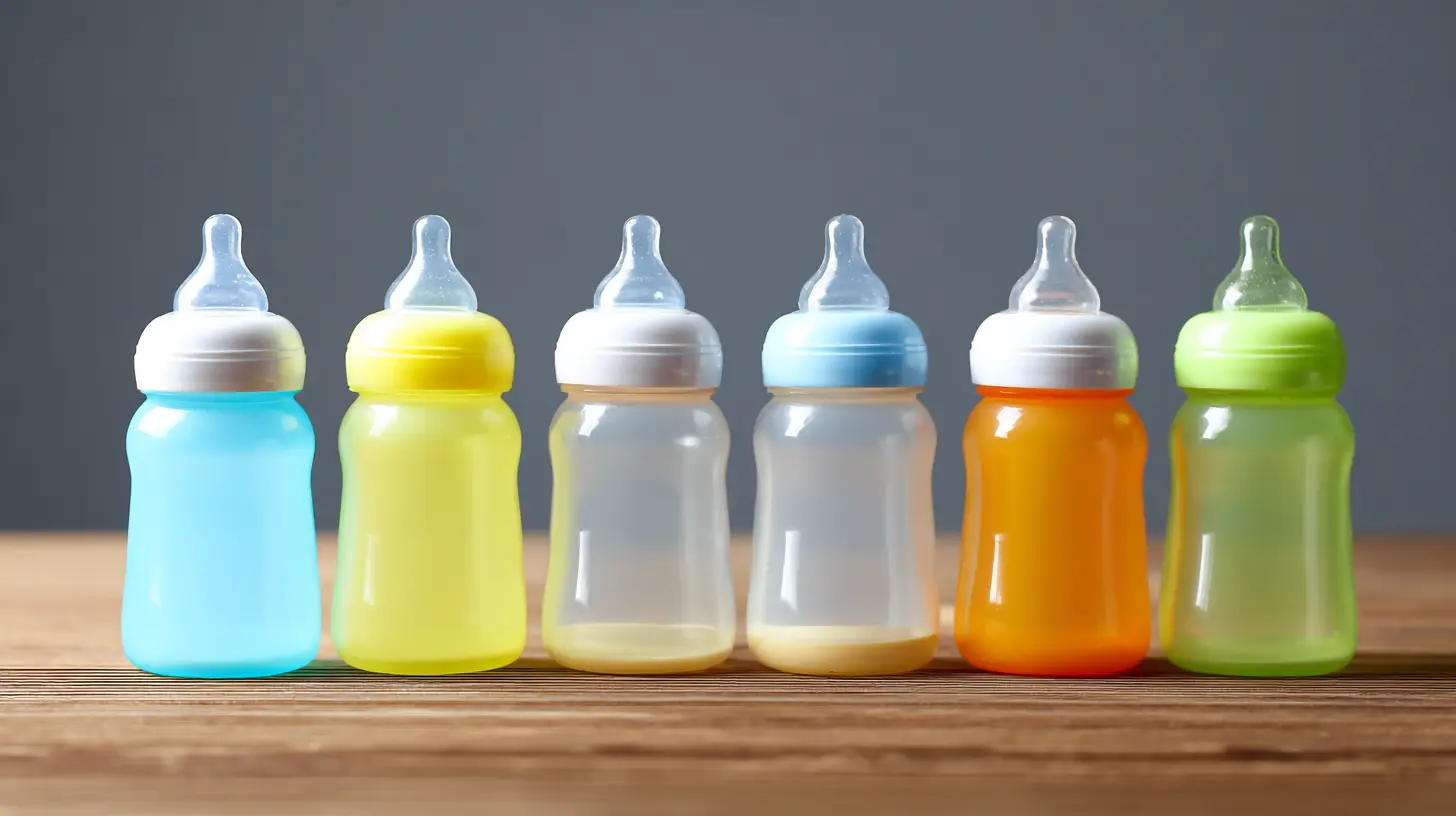
Key Features to Look For in a Baby Bottle
Before we get into specifics for breastfed vs. formula-fed babies, let’s cover the basics every bottle should pass:? 1. Nipple Flow Rate
Bottles come with nipples in different flow rates (slow, medium, fast). Newborns usually start with slow flow so they can feed safely and not choke. As they grow, you can size up.Pro Tip: For breastfed babies, stick with slow flow longer to match the breast’s natural flow.
? 2. Anti-Colic or Venting Systems
These bottles come with little valves or internal vents that reduce air bubbles. Less air = less gas = happier bellies.? 3. Nipple Shape and Texture
Some nipples mimic the breast more closely, which is great if you're combining bottle and breast. Look for wide-base nipples with a soft feel.? 4. Material: Plastic, Glass, Silicone, or Stainless Steel?
Each material has its pros and cons:- Plastic: Lightweight and durable but may degrade over time.
- Glass: Eco-friendly and long-lasting, though heavier and more breakable.
- Silicone: Squishy and safe, though less common.
- Stainless Steel: Ultra-durable and chemical-free, but usually pricier.
? 5. Ease of Cleaning
If it has a million parts, you’ll curse its name during dreaded 3 a.m. bottle washings. Simpler is better. Dishwasher-safe is a major plus.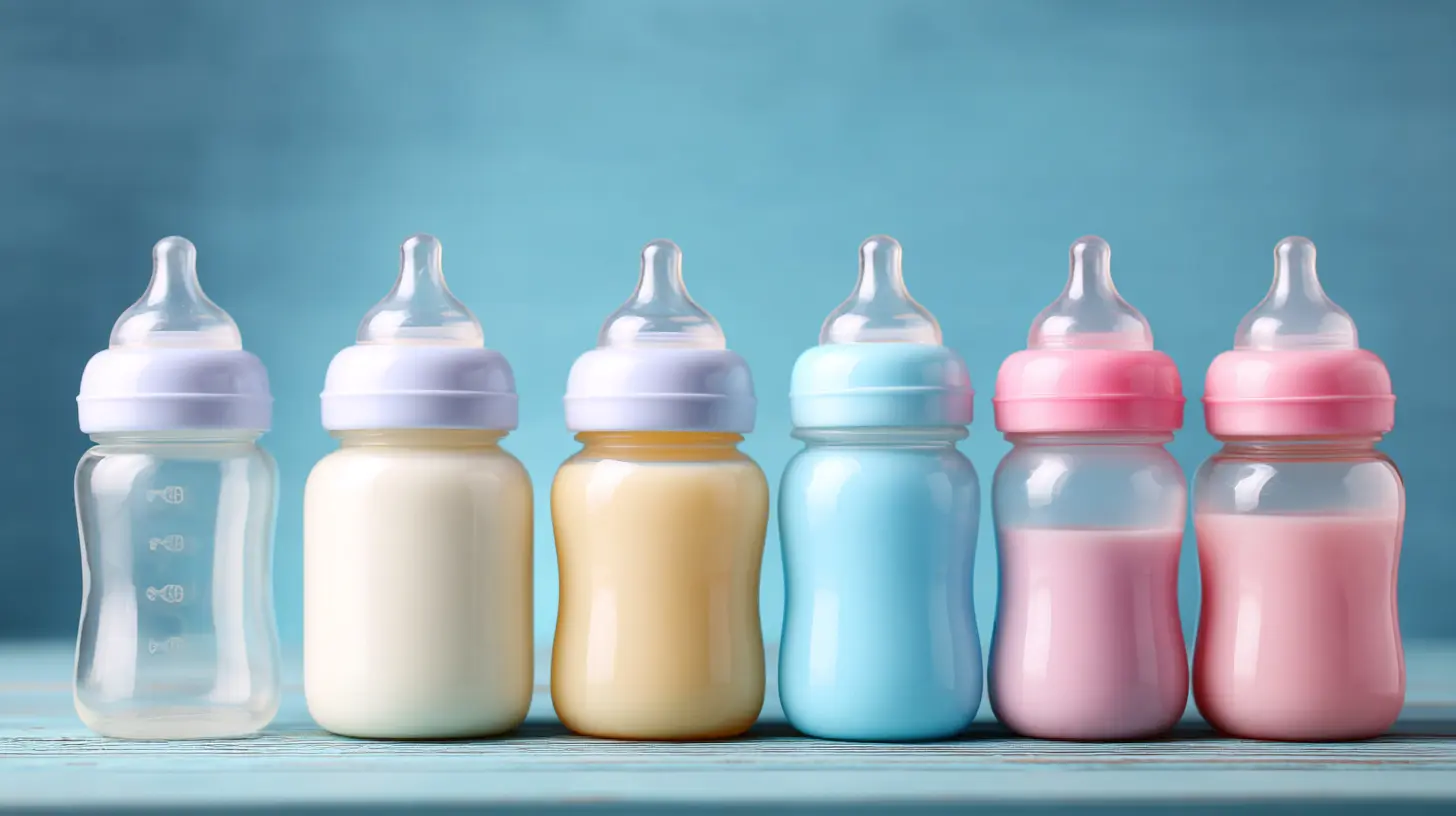
Best Bottle Features for Breastfed Babies
So you're breastfeeding but need bottles — maybe you're going back to work or just need to give yourself a break sometimes. Totally normal.But here's the thing: breastfed babies can be picky about bottles. They're used to the real deal, so swapping over needs to be done carefully.
? Pick Bottles That Mimic Breastfeeding
Look for these:- Wide-neck bottles: These mimic the shape of a breast and allow for a deep latch.
- Soft, slow-flow nipples: Mimics the slower milk flow of nursing and prevents baby from getting lazy at the bottle.
- Flexible nipple material: Silicone nipples that stretch and feel breast-like are ideal.
? Anti-Colic Design is Still Important
Even if breastfed babies tend to be less gassy than formula-fed, you still want a bottle that limits air intake (especially if your baby switches between boob and bottle often).? Go Slow When Introducing Bottles
Start with just one brand and see how your baby reacts. Don’t rush. It can take a few tries and some patience.Some breastfeeding-friendly bottles that many parents swear by include:
- Comotomo – Flexible material, breast-like design
- Dr. Brown's Options+ Wide Neck – Vent system, great for reducing colic
- Lansinoh Momma – Designed to encourage natural latch and prevent confusion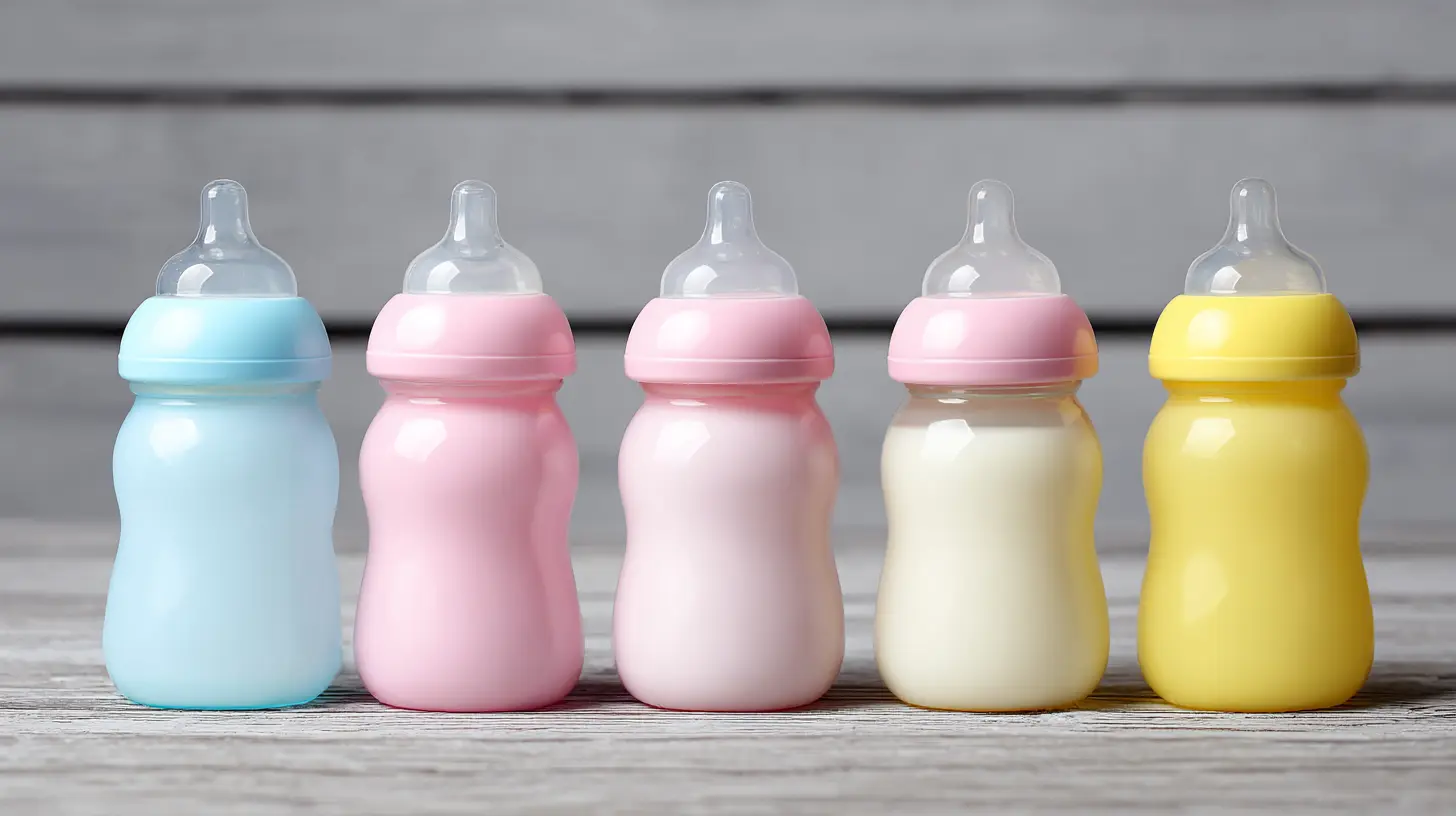
Best Bottle Features for Formula-Fed Babies
If you're formula-feeding, you’ve got a bit more bottle freedom — yay! Your baby doesn’t have to switch between breast and bottle, so you can focus more on factors like ease of use, cost, and cleaning.? Choose Bottles with Built-In Mix-Friendly Design
Some bottles are made for formula-feeding, with mixers or systems that help reduce clumps. Fewer clumps mean smoother feedings and less gas.? Anti-Colic Systems = Game Changer
Formula can sometimes lead to more gassiness. So it’s worth investing in bottles with a solid venting system.Popular picks for formula-fed babies are:
- Tommee Tippee Closer to Nature – Easy to hold and clean
- Philips Avent Anti-Colic with AirFree Vent – Great venting, easy to fill and assemble
- MAM Easy Start Anti-Colic – Self-sterilizing and perfect for travel
? Consider the Cost Over Time
Formula-feeding means more bottle use daily. You’ll want bottles that are:- Reasonably priced
- Easy to stock up on
- Durable (won’t degrade after a few washes)
Tips for Combo-Feeding (Breast + Formula)
Doing a bit of both? Combo feeding families should focus on bottles that keep things consistent for baby.- Choose wide-neck, breast-style nipples to maintain consistency when switching between breast and bottle.
- Stick with slow-flow nipples, especially early on.
- Be patient. Your baby may have preferences and may even reject some bottles — it's a process, not an overnight switch.
Common Mistakes to Avoid When Choosing Baby Bottles
We’ve all been there — buying a fancy bottle set only to find out your baby hates them. Cue panic. Here are some common pitfalls:❌ Buying a Full Set Right Away
Start small — one or two bottles. See how your baby responds before investing in a dozen.❌ Ignoring the Flow Rate
Giving a fast-flow nipple to a newborn can lead to choking, overeating, or rejecting the bottle.❌ Not Replacing Nipples Often
Over time, nipples wear down. Replace them every 2-3 months or sooner if you notice cracks or stickiness.❌ Overlooking Leak-Proof Design
There’s nothing worse than a leaky bottle ruining the diaper bag, your couch, or your sanity. Always check reviews for leak complaints!How Many Bottles Do You Actually Need?
Here’s a quick cheat sheet:- Exclusively breastfed & only bottle-fed occasionally: 2-3 bottles
- Combo feeding: 4-6 bottles
- Exclusively formula-fed: 6-10 bottles (Trust us, the more the better – especially during night feeds!)
Keep backups clean and sterilized. When baby’s hungry, you don’t want to be mid-wash.
Cleaning and Sterilizing 101
- Before first use: Sterilize all parts (boiling water or sterilizer)- Daily use: Wash with hot soapy water or dishwasher
- Weekly deep clean: Sterilize again (boiling or UV sterilizers work great)
Pro Tip: Some bottles are self-sterilizing in the microwave. That’s a huge time-saver when traveling!
So… Which Bottle is “Best”?
Honestly, there’s no one-size-fits-all winner. The best bottle is the one your baby accepts and that works for your routine. Trial and error will happen. Be patient — and try not to stress. Babies are tiny opinionated humans, and they will let you know if they dislike a bottle.Quick Comparison Table: Breastfed vs Formula-Fed Bottle Needs
| Feature | Breastfed Babies | Formula-Fed Babies ||--------------------------|------------------------------------|----------------------------------|
| Nipple Shape | Wide, breast-like | Standard or wide |
| Nipple Flow | Slow flow | Start slow, adjust as needed |
| Material Preference | Soft silicone | Durable + budget-friendly |
| Cleaning Importance | Moderate | High (more frequent use) |
| Anti-Colic Importance | High | Very high |
| Quantity Needed | 2-4 | 6-10 |
Final Thoughts
Choosing the right baby bottles is a bit of an adventure — like finding the right pair of shoes. What fits one baby perfectly may totally flop with another. The key is to stay flexible and observant. Watch your baby’s cues, don’t overthink it, and remember: you’re doing great.Feeding — whether via breast or bottle — is all about nourishing your baby and bonding. If the bottle helps you do that a little easier? That’s a win.
Don’t stress about finding the “perfect” one. Try, test, and trust your instincts.
Happy feeding, mama (or papa)!
all images in this post were generated using AI tools
Category:
Baby GearAuthor:

Noah Sawyer
Discussion
rate this article
1 comments
Oriel Hodge
In the gentle dance of feeding, choice holds sway. A bottle can bridge hearts, cradling warmth and nurturing trust. Whether breast or formula, every sip weaves love into your baby's day.
July 17, 2026 at 4:19 AM
Noah Sawyer
Thank you for your thoughtful comment. It's true that every feeding choice comes with its own warmth and bond.