Choosing the Best Sunscreen Gear for Your Baby’s Sensitive Skin
4 August 2026
As a parent, ensuring your little one is protected from the sun’s harsh rays is a top priority—especially since a baby’s skin is much more delicate and prone to sunburn than an adult’s. But with so many options available, choosing the best sunscreen and sun protection gear can feel overwhelming. Should you go for mineral or chemical sunscreen? What about UV-protective clothing? And how often should you reapply sunscreen?
Don’t worry—you’re not alone in this. In this guide, we’ll break down everything you need to know about protecting your baby’s sensitive skin from the sun. From the best types of sunscreens to essential sun gear, we’ve got you covered. 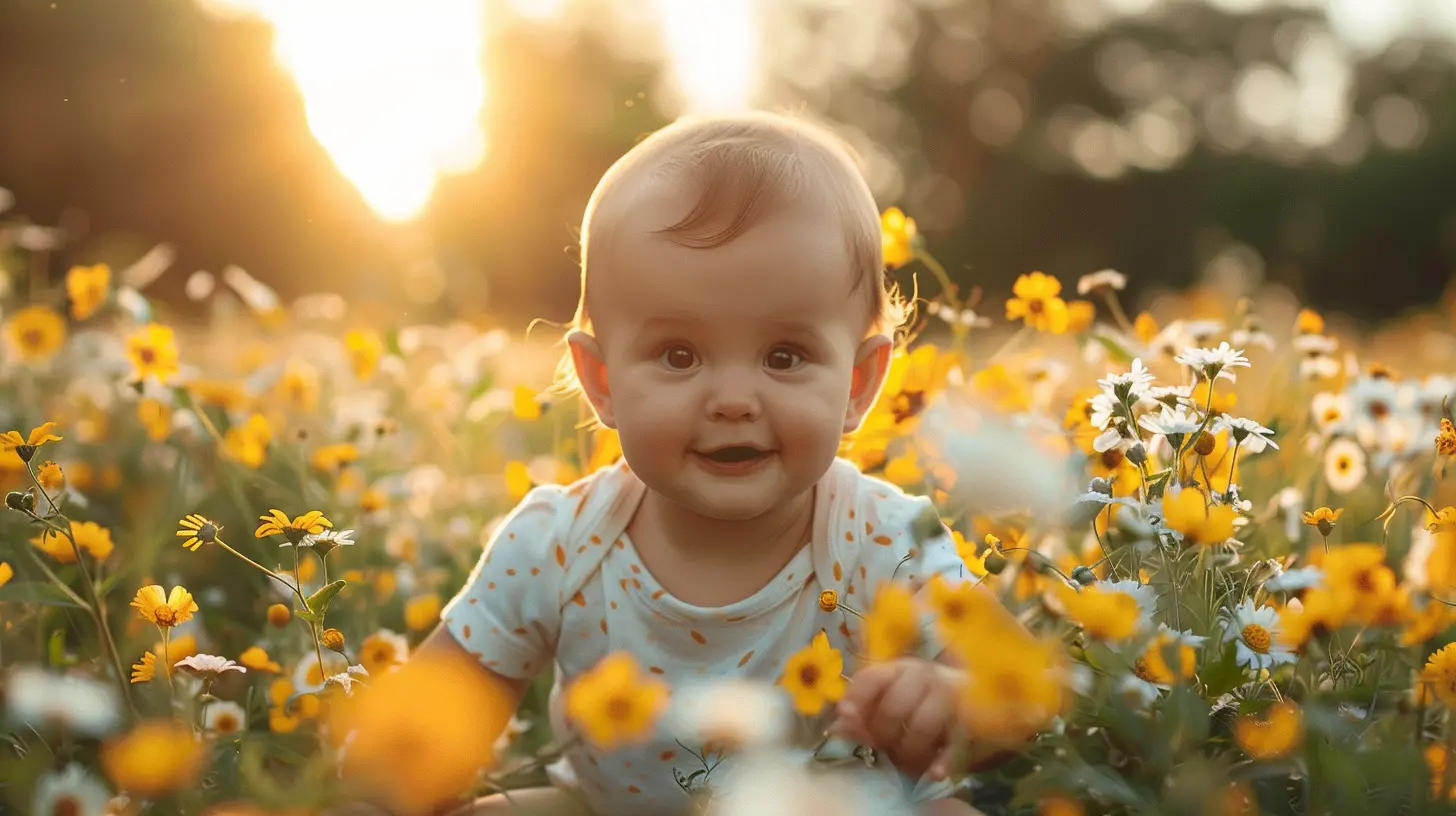
Why Is Sun Protection Crucial for Babies?
You might be wondering—why all the fuss about sun protection for babies? After all, we grew up playing outside without slathering on sunscreen every two hours, right?Well, here’s the thing: a baby’s skin is much thinner than an adult’s, making it more susceptible to UV damage. Plus, babies have lower levels of melanin—the pigment that provides some natural protection against UV rays. Even just a few serious sunburns early in life can drastically increase the risk of skin cancer later on.
Since infants under six months shouldn't use sunscreen (except in minimal amounts on small areas), their best defense is physical protection—shade, clothing, and hats. Older babies, though, can benefit from a combination of sunscreen and protective gear. 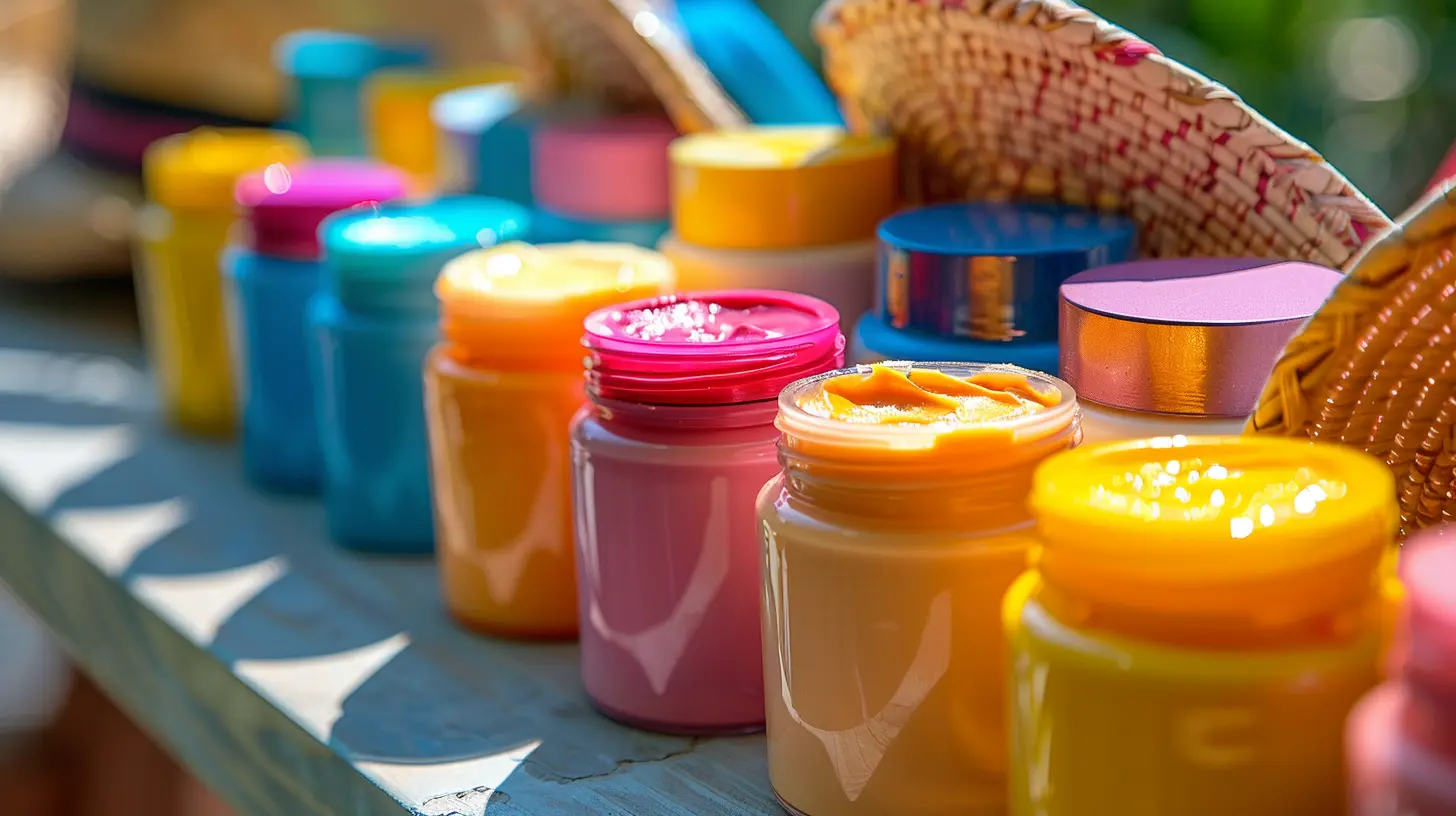
Choosing the Best Baby Sunscreen
When picking sunscreen for your baby, keep in mind that not all sunscreens are created equal. Here’s what to look for:1. Go for Mineral Sunscreens
Chemical sunscreens contain ingredients like oxybenzone, avobenzone, and octisalate, which absorb UV rays. The problem? These chemicals can be harsh on sensitive skin and may even cause irritation or allergic reactions.Mineral sunscreens (also known as physical sunscreens), on the other hand, use zinc oxide or titanium dioxide to create a physical barrier that reflects UV rays away from the skin. They’re generally safer and less likely to cause irritation.
2. Choose a Broad-Spectrum Formula
Look for sunscreens labeled “broad-spectrum”, meaning they protect against both UVA and UVB rays. UVA rays penetrate deeper into the skin, contributing to premature aging and skin cancer, while UVB rays cause sunburn. You need protection from both!3. SPF 30 or Higher Is Best
A sunscreen with SPF 30 or higher is a must. Anything lower won’t provide adequate protection, and anything over SPF 50 doesn’t offer significantly better coverage.4. Opt for Fragrance-Free and Hypoallergenic
Babies have super sensitive skin, so avoid anything with artificial fragrances, dyes, or unnecessary chemicals. Hypoallergenic sunscreens are usually a safer bet.5. Water-Resistant Is a Bonus
If your baby will be splashing around in the water or sweating, choose a water-resistant sunscreen. Just keep in mind that no sunscreen is completely waterproof—you’ll still need to reapply every 40 to 80 minutes.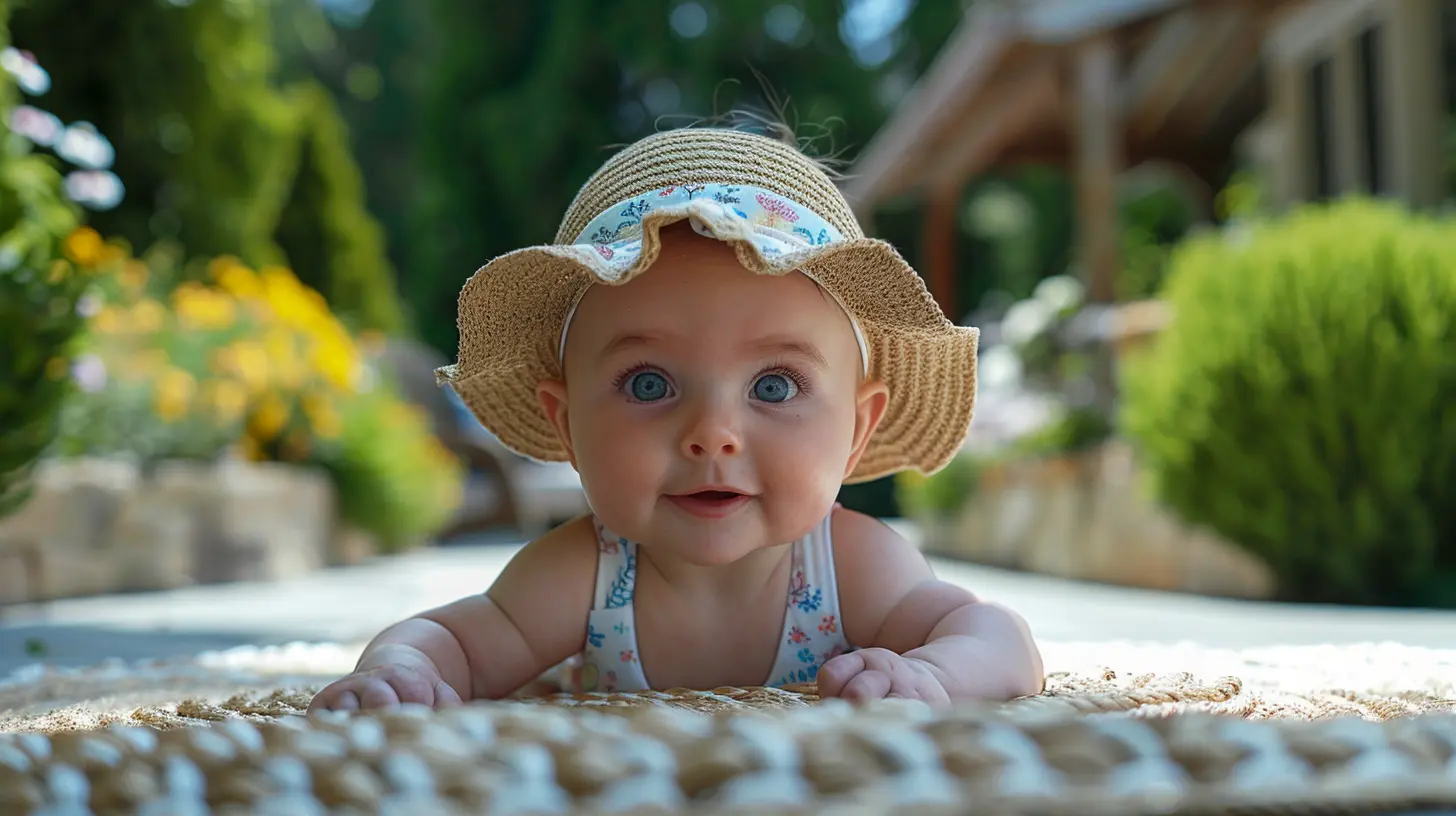
How to Properly Apply Sunscreen on Your Baby
Slathering sunscreen on a wiggly baby is no easy feat, but here are a few tips to help:- Apply generously. Don’t skimp! Most people use much less than they actually need. A good rule of thumb is about a teaspoon for the face and a shot-glass amount for the body.
- Cover all exposed areas. Don’t forget often-missed spots like the tops of the ears, the back of the neck, and even the tops of little feet.
- Give it time to absorb. Apply sunscreen at least 15 minutes before going outside so it can properly bond to the skin.
- Reapply often. Every two hours (or more frequently if your baby is sweating or playing in water). 
Essential Sun Gear for Babies
Sunscreen is just one part of the equation. The best sun protection is actually to minimize direct sun exposure through clothing, accessories, and shade.1. Wide-Brimmed Hats
A lightweight, wide-brimmed hat can make a world of difference. Choose one with a UPF rating of 50+, which means it blocks out 98% of UV rays. Hats with chin straps are great for keeping them in place, even on a windy day.2. UV-Protective Clothing
Not all clothing protects equally from the sun. Regular cotton tees provide some protection, but UV-protective clothing (specifically designed with tightly woven fabric) offers much better coverage. Look for labels with UPF 50+ for maximum sun defense.3. Sunglasses with UV Protection
Yes, even babies need sunglasses! Their little eyes are sensitive to UV rays, which can lead to damage over time. Pick baby sunglasses with 100% UVA/UVB protection and a flexible, durable frame that won’t easily break.4. A Good-Quality Sunshade or Tent
If you’re heading to the beach or the park, a pop-up sunshade or umbrella is a lifesaver. It provides instant shade and gives your baby a cool place to rest.5. A Stroller with a Sun Canopy
A stroller with an extendable sun canopy or a clip-on UV sunshade can help keep the sun off your little one when you're out for a walk.Additional Sun Safety Tips
Even with sunscreen and sun gear, there are extra precautions you should take:- Avoid peak sun hours (between 10 AM and 4 PM) when the UV rays are strongest.
- Seek shade whenever possible. Whether it’s under a tree or using a beach umbrella, keeping your baby in the shade reduces direct sun exposure.
- Hydrate, hydrate, hydrate! Babies can overheat quickly, so ensure they have plenty of fluids if you’re out in the sun for an extended period.
- Use a lightweight blanket for extra coverage. A muslin blanket draped over a stroller or car seat can provide extra protection while allowing airflow.
Final Thoughts
Choosing the best sunscreen gear for your baby’s sensitive skin doesn’t have to be complicated. Stick to mineral-based, broad-spectrum SPF 30+ sunscreens and pair them with UV-protective clothing, hats, sunglasses, and shade for all-around protection.Sun protection isn’t just about today—it’s about building safe habits that will benefit your child for a lifetime. So, the next time you head outdoors, make sure you’re prepared. Your baby’s future skin will thank you!
all images in this post were generated using AI tools
Category:
Baby GearAuthor:

Noah Sawyer
Discussion
rate this article
1 comments
Gideon Love
Thank you for sharing these tips! Protecting our little ones' skin is so important, and your guidance makes it easier to choose wisely.
August 12, 2026 at 3:44 PM
Noah Sawyer
You're welcome! I'm glad you found the tips helpful. Protecting their skin is so important.