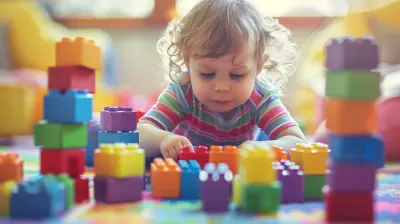
Boundaries for Blended Families: Finding Common Ground
22 June 2026
Blended families are beautiful, but let’s be real—bringing two families together under one roof isn’t always a fairy tale. You’ve got different parenting styles, family traditions, and personalities all trying to coexist harmoniously. It can feel like merging two puzzle pieces that don’t quite fit—until you start setting boundaries.
Boundaries aren’t about control; they’re about respect, balance, and finding common ground. When done right, they help create a loving and functional environment where everyone feels valued.
So, how do you set boundaries that make life smoother rather than more complicated? Let’s dive in.

Why Boundaries Are Essential in Blended Families
In any family, boundaries provide a sense of structure and security. But in blended families, they are even more crucial because you’re mixing different parenting styles and expectations.Without clear boundaries:
- Kids may struggle with loyalty conflicts.
- Parents and stepparents may clash over discipline.
- Everyone might feel misunderstood or unappreciated.
On the flip side, healthy boundaries create:
- A clear understanding of roles and responsibilities.
- A sense of security for kids adjusting to their new family dynamic.
- A foundation of respect and communication between parents, stepparents, and children.
Think of boundaries like traffic signals—they don’t stop you from driving, but they prevent chaos and accidents.

Communication: The Foundation of Healthy Boundaries
Before establishing rules, everyone in the blended family needs to be on the same page. And that starts with open, honest communication.Talk About Expectations Early
One of the biggest mistakes blended families make is assuming things will "just work out." But without discussing expectations, misunderstandings are inevitable.Sit down with your spouse and have a heart-to-heart about:
- Parenting styles (Are you strict? Laid-back? A mix of both?)
- Discipline approaches (Who handles what? Is spanking a no-go? What about timeout?)
- Household rules (Curfews? Chores? Screen time limits?)
Having these conversations early prevents conflicts down the road.
Encourage Open Dialogue with the Kids
Kids need to feel heard, especially during major life transitions. Encourage them to express their concerns, fears, and hopes about the new family dynamic.Instead of dictating new rules, involve them in the decision-making process. When kids feel they have a say, they’re more likely to respect the boundaries you set.

Setting Boundaries as a Team
Now that communication is flowing, it’s time to define some actual boundaries.Protecting the Marriage
In blended families, it’s easy for parents to get so wrapped up in their children that the marriage takes a backseat. But a strong, united marriage is the foundation of a happy family.Set boundaries around:
- Alone time – Schedule regular date nights or even just uninterrupted time to connect.
- Decision-making – Present a united front. Even if you disagree, discuss it privately and come to a mutual decision.
Your relationship should be a safe space, not a battleground for parenting disagreements.
Defining Parental Roles
One of the trickiest parts of blending families is figuring out who plays what role. Should the stepparent take on a disciplinary role immediately? Or should they ease into it?A good rule of thumb: The stepparent should start by building a relationship first rather than diving into discipline. Let the biological parent take the lead initially while the stepparent provides support.
Slowly, as trust builds, the stepparent can find their role—whether as an authority figure, mentor, or supportive friend.
Establishing House Rules
Every home needs structure, and that’s where house rules come in. But the key is consistency—rules should apply to all kids, regardless of who their biological parent is.Common house rules might include:
- Respect for all family members (no name-calling, yelling, or hitting).
- Clear expectations for chores and responsibilities.
- Guidelines for screen time, homework, and bedtime.
Having a family meeting to discuss these rules can make kids feel involved rather than dictated to.
Respecting Personal Space
In blended families, personal space can be a big issue—especially if kids suddenly have to share a room or home with new siblings.Set boundaries to ensure everyone feels comfortable, such as:
- Knocking before entering bedrooms.
- Designating private spaces where each child can have alone time.
- Respecting each other's belongings (no borrowing without asking).
Giving kids control over a small part of their environment can make a big difference.

Dealing with Co-Parenting Challenges
If ex-spouses are in the picture, co-parenting can complicate things. But boundaries are just as important here.Boundaries with the Ex-Partner
Co-parenting works best when both parties respect each other's roles and household rules. Some ways to set boundaries include:- Clear communication methods – Decide whether texts, emails, or scheduled calls work best. Keep conversations focused on the kids.
- Respecting household differences – Each household may have different rules, and that’s okay. Avoid criticizing your ex’s parenting choices in front of the kids.
- Setting limits on involvement – Your ex doesn’t need to be involved in every family decision. Keep discussions focused on shared parenting responsibilities.
Keeping the Kids Out of Adult Conflicts
Kids should never feel caught in the middle of parental conflicts.- Don’t use them as messengers.
- Avoid speaking negatively about their other parent.
- Remind them that they don’t have to pick sides.
Children thrive when they feel safe and loved—regardless of how complicated family dynamics are.
Adjusting and Evolving Boundaries
Boundaries aren’t set in stone. As kids grow, relationships develop, and circumstances change, your family dynamics will shift.Be open to reassessing boundaries when needed. What works for a 6-year-old may not work for a 16-year-old. The key is maintaining open communication and adjusting as necessary.
When Boundaries Are Challenged
Let’s be real—kids will push boundaries. It’s part of growing up.So what do you do when rules are broken?
- Stay calm and address it immediately.
- Be consistent with consequences.
- Reinforce why the boundary exists.
Boundaries aren’t about punishment; they’re about guidance. Kids may not always like them, but they’ll appreciate the stability they bring.
Final Thoughts
Blended families come with their own set of challenges, but with open communication and clear boundaries, you can create a home filled with love, respect, and understanding.Think of it like a garden—boundaries are the fences that protect the plants while still allowing them to grow.
It won’t always be easy, but with patience and teamwork, your blended family can flourish.
all images in this post were generated using AI tools
Category:
Parenting BoundariesAuthor:

Noah Sawyer
Discussion
rate this article
1 comments
Phaedron McFarland
This is a thoughtful piece on an important topic. Establishing boundaries in blended families can be challenging yet essential for harmony. Your insights can really help families navigate these dynamics more effectively. Thank you for sharing such valuable advice!
July 9, 2026 at 3:32 PM
Noah Sawyer
Thank you for your kind words. I'm glad you found the insights helpful for navigating blended family dynamics.