Addressing the I Want That! Phase: Handling Material Desires in a Consumer-Driven World
20 December 2025
Every parent knows the moment. You're strolling through the store, coffee in hand, minding your own business, when it hits — that tiny voice declaring, “I want that!” with the urgency of a fire alarm. You glance down to find your child clinging to the latest toy, gadget, or glow-in-the-dark anything.
Welcome to the “I Want That!” phase — a rite of passage in parenting and a serious test of patience. On the surface, it might seem like a kiddo being a kid. But dig a little deeper, and you'll uncover the bigger picture: we’re raising our little humans in a world where consumerism is louder than reason, and “stuff” often seems to equal happiness.
So how do we help our kids navigate all this without squashing their spirit or turning every Target trip into a meltdown marathon?
Let's take a real, human look at dealing with material desires in today’s stuff-obsessed culture — no sugar coating, just honest parenting with a side of sanity.
Why Kids Say "I Want That!" (Again and Again)
Let’s face it: half the time you hear those words, your kid doesn’t really need what they’re begging for. So what gives?1. Marketing is Powerful (Even for Little Minds)
Kids are bombarded with ads — TV, YouTube, apps, even cereal boxes! Those bright colors and catchy jingles? They’re not just cute. They’re deliberately designed to captivate and persuade. Kids can’t always tell the difference between entertainment and advertising. As far as they’re concerned, if it’s exciting and shiny, it must be good.2. Peer Pressure Starts Early
Kindergarten isn’t too young for “flex culture." When a classmate rolls in with the newest character backpack or latest LEGO set, it sends a message: having cool stuff = social currency. Kids start to measure their worth or identity by what toys or gadgets they own.3. Desire Feels Good
It’s wired into us — wanting stuff gives a little burst of dopamine. For kids, that feeling is even more intense. The anticipation of getting something new can feel magical! But the crash after not getting it? That’s real too.
It's Normal…But It’s Also a Teachable Moment
Here’s the thing — material desires aren’t inherently bad. You want stuff, I want stuff, and our kids are no different. The goal isn’t to eliminate the desire altogether (good luck with that!), but rather to teach kids how to manage that desire in a healthy way.This phase is golden — it’s a chance to instill some life-long values before consumerism completely takes over.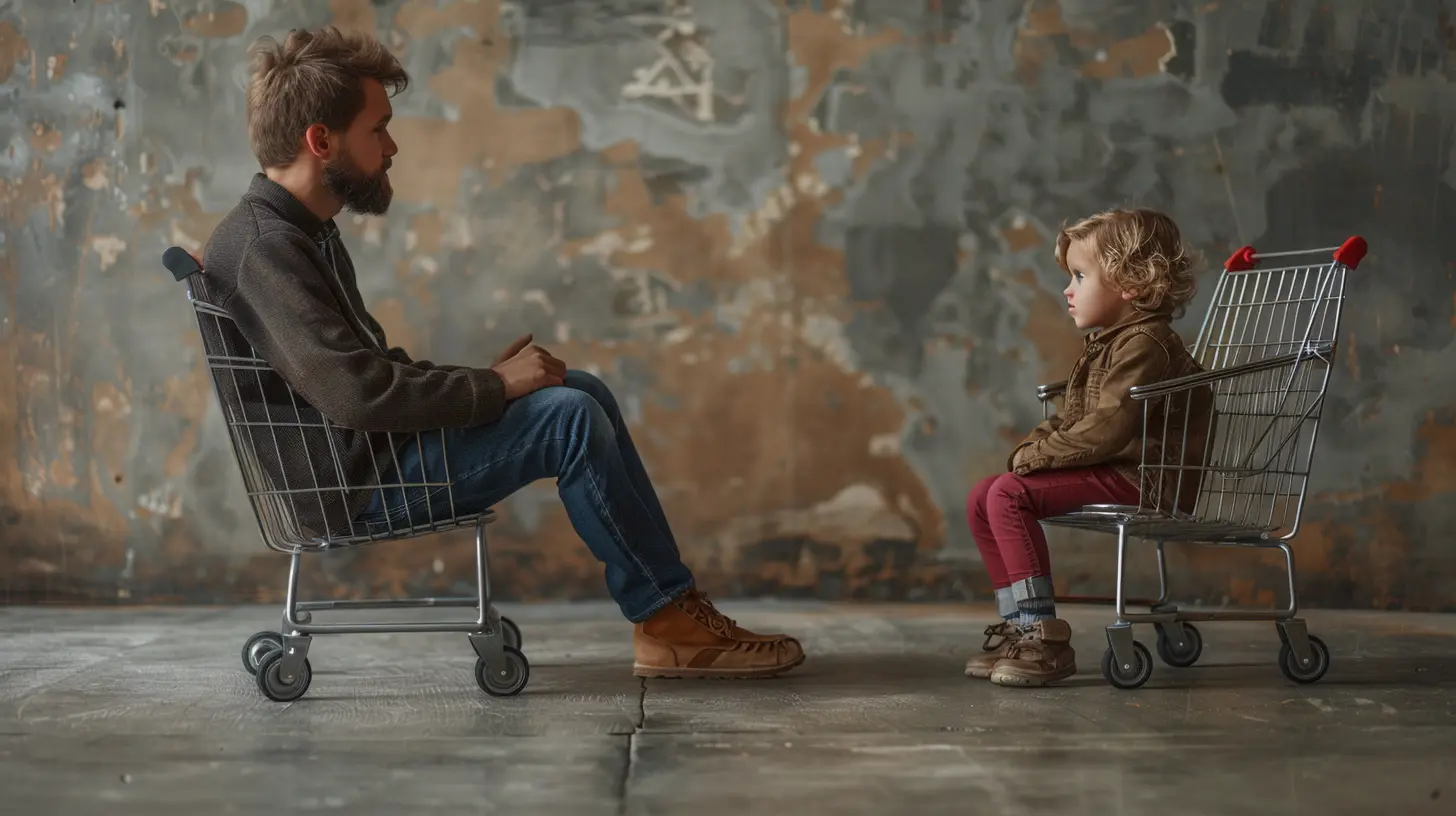
Practical Strategies to Handle the “I Want” Phase (Without Losing Your Mind)
Ready to throttle back the constant requests without turning into the Grinch? Here are some practical, real-world tips that work (most of the time).1. Set Clear Expectations Before Shopping Trips
Before you even step foot in a store, give your kid the lowdown:- “We’re here to get groceries, not toys.”
- “You can look, but we’re not buying today.”
This heads-up sets boundaries and reduces disappointment — no surprises, no tantrums (well, fewer of them).
2. Introduce the "Wish List" Concept
Get a small notebook or use an app to keep a rotating wish list. When your child says “I want that,” say, “Let’s write it on your wish list!” Boom — desire acknowledged without immediate gratification.Sometimes, just knowing it’s on the list is enough. And when birthdays or holidays roll around, they appreciate those items more because they’ve waited for them.
3. Differentiate Between Wants and Needs
Use everyday moments to explain the difference:- “We need food, water, and a place to live.”
- “We want ice cream, toys, and games.”
Keep it simple but consistent. Over time, kids start to understand that not every “want” deserves a “yes.”
4. Explain How Advertising Works (Even to Little Ones)
It might seem too advanced, but even young kids can start to get it. Try saying:- “These shows are trying to make you want something.”
- “Just because it looks fun on TV doesn’t mean you need it.”
Empower them to be critical thinkers, not just passive consumers.
5. Start Conversations About Money Early
Teach them about money in an age-appropriate way. Let them earn small amounts for chores and practice making choices:- “You have $5. Do you want this $4 toy now, or save up for something bigger?”
This not only builds money smarts but also adds perspective — “stuff” costs something, and choices matter.
6. Delay Gratification (It’s a Superpower!)
A simple, magical word: “maybe.” It buys you time, cools emotions, and subtly introduces the idea of waiting.Even better, make it a family game to save up for something together — a trip, a game night, or even a toy. It gets everyone involved and invested.
7. Model Gratitude and Contentment
Let’s be honest — if we’re always online shopping or impulse-buying stuff ourselves, our kids notice. Show what it looks like to be content with what you have.Try saying things like:
- “I was going to buy this, but I realized I don’t really need it.”
- “I’m grateful for what we already have at home.”
It’s not preachy, it’s just being real.
What If They Throw a Fit Anyway?
Ah yes, the dreaded meltdown. Here’s your permission slip: it’s okay. You’re not a bad parent. You didn’t raise a spoiled brat. You’re raising a human who’s learning how to regulate emotions.Stay calm. Acknowledge their feelings. Set the boundary.
Try:
“I can see you’re really upset. It’s okay to feel that way. But I’m not buying this today.”
Let them express the emotion — stomping, crying, even yelling. They’re learning. And your calm, confident response teaches more than a hundred lectures ever could.
When Materialism Becomes a Bigger Issue
Sometimes, the “I want” phase doesn’t phase out. If older kids (or even teens) are deeply wrapped up in stuff—brands, money, bigger, better, faster—it might be time to dig deeper.Ask yourself:
- Are they getting enough emotional connection?
- Is stuff being used to fill a void?
- Are they mimicking what they see at home?
Talk to them openly. Help them set goals that aren’t based around buying things. Introduce them to volunteering or giving to others. These experiences shake up the belief that happiness lives on a store shelf.
Keeping Perspective as a Parent
We all want to give our kids the world — the toys, the clothes, the fun experiences. And hey, that’s okay. But remember: we’re not just raising consumers. We’re raising problem-solvers, citizens, kind humans.Helping them deal with material desire isn't about saying "no" all the time. It's about helping them ask better questions:
- Do I really want this?
- Will I still care about it tomorrow?
- What’s most important to me right now?
That's powerful stuff.
Let Them Dream — Just Keep One Foot on the Ground
Part of being a kid is wanting things. That’s not only normal — it’s healthy. Desire is tied to imagination, drive, and ambition. So let them want. Let them dream. Just help guide their desire toward things that truly matter.And every once in a while? Say yes to the silly toy. Not because it’s needed… but because joy matters, too.
Final Thoughts
The “I Want That!” phase can feel relentless. It tests our patience, our budgets, and sometimes, our sanity. But it’s also one of the richest opportunities we get as parents to raise mindful, grateful, and emotionally intelligent humans.So next time you're faced with puppy-dog eyes and pleas for a sparkly toy or trendy gadget, take a breath. You’ve got this. And remember — you're shaping not just how they shop, but how they see the world.
all images in this post were generated using AI tools
Category:
Parenting ChallengesAuthor:

Noah Sawyer
Discussion
rate this article
2 comments
Elara Hensley
Great read! It’s tough navigating kids' desires in today’s world. Love the practical tips for fostering gratitude while managing those "I want" moments!
December 23, 2025 at 4:51 AM
Noah Sawyer
Thank you! I'm glad you found the tips helpful for fostering gratitude amidst those "I want" moments!
Cynthia McWain
Ah, the 'I Want That!' phase—where every trip to the store feels like a mini version of a reality show! Remember, it’s all about balance. A sprinkle of patience, a dash of creativity, and suddenly, that toy becomes just another fun memory in the making!
December 21, 2025 at 4:32 AM
Noah Sawyer
Absolutely! Embracing that "I Want That!" phase with balance and creativity can transform desires into cherished memories rather than mere possessions.